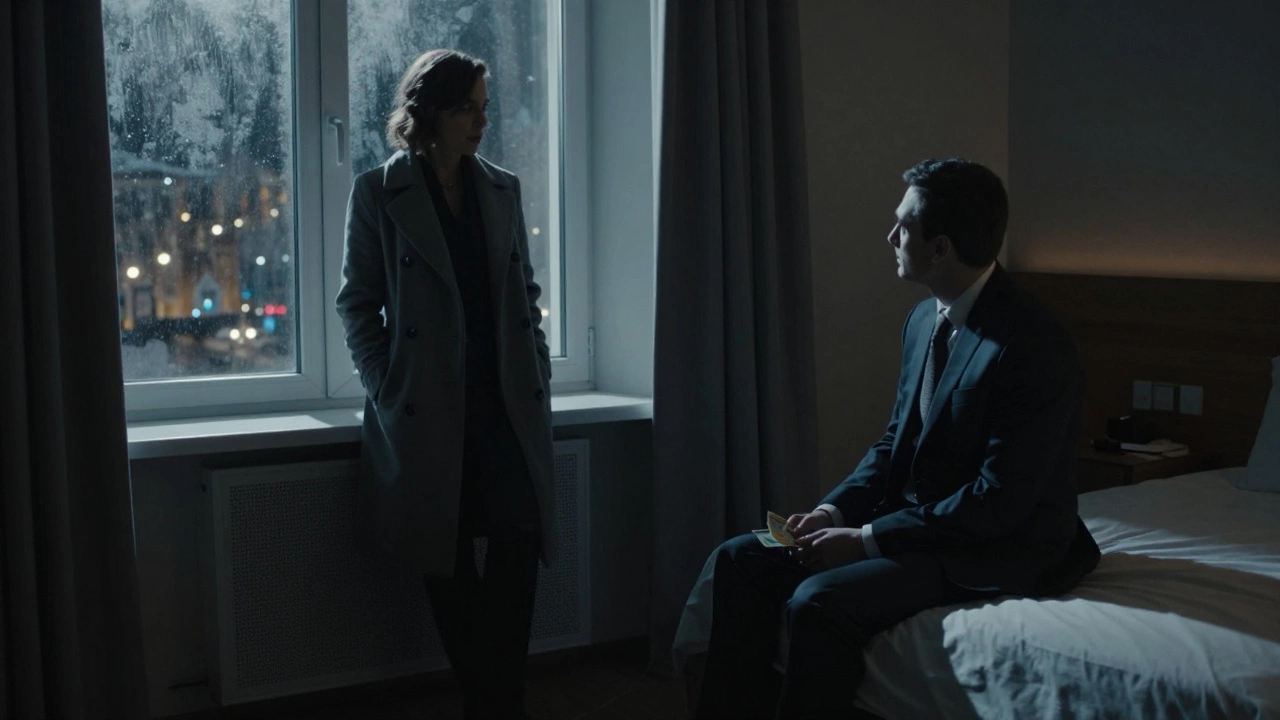
People often assume that escort services everywhere operate the same way - a simple transaction, a quick meeting, a standard fee. But in Russia, the industry doesn’t follow global templates. It’s shaped by history, social pressure, legal gray zones, and cultural norms that don’t exist in Western Europe or North America. If you’ve heard about escrot girl paris, you know how different Parisian arrangements can feel - relaxed, discreet, almost casual. Russian escort dynamics are the opposite: intense, cautious, and deeply personal.
There’s no formal licensing, no regulated agencies, and no public advertising. Everything runs through private messaging apps, closed Telegram channels, or word-of-mouth referrals. A woman offering companionship in Moscow or St. Petersburg isn’t just selling time - she’s selling safety, silence, and trust. Many clients don’t want romance; they want someone who won’t ask questions, won’t record them, and won’t show up on a social media feed.
Why the Russian Escort Industry Doesn’t Look Like Anything Else
Unlike in countries where escort work is decriminalized or partially regulated, Russia treats it as a form of prostitution - which is illegal under Article 240 of the Criminal Code. That doesn’t mean it doesn’t happen. It just means it happens under the surface. The people involved don’t use flashy websites or Instagram profiles. They use encrypted apps, burner phones, and cash payments. There’s no PayPal, no Venmo, no credit card processing. If you’re booking someone in Kazan or Novosibirsk, you’re likely meeting in a hotel room you paid for in cash, under a fake name.
Many women in this space aren’t from impoverished backgrounds. Some are university graduates, former models, or even ex-military spouses. They’re not doing this because they have no other options - they’re doing it because it pays better than a corporate job and gives them control over their time. One woman in Yekaterinburg told a journalist (off the record) that she made more in a single month escorting than her husband did in three as an engineer. She didn’t want fame. She wanted freedom.
The Role of Language and Culture
Language matters more than you think. A foreign client who speaks broken Russian might be turned away immediately, not because of prejudice, but because of risk. If a client can’t communicate clearly, misunderstandings happen. A simple phrase like “I’d like to go for a walk” could be misinterpreted as a request for public exposure - something that could lead to police intervention. Most providers prefer clients who speak Russian, even if just at a basic level. It’s not about elitism. It’s about survival.
There’s also the cultural expectation of discretion. In Russia, relationships are often seen as private matters. Even among friends, people don’t talk about their personal lives openly. This extends to escort services. Clients don’t brag. Providers don’t post photos. There’s an unspoken rule: if you’re here, you’re here to disappear. That’s why many services offer multi-day packages - not because they’re trying to upsell, but because one-night stands are too risky. Longer stays mean fewer meetings, fewer chances of being noticed.

How Clients Find Providers - And Why It’s So Hard
Google searches for “escort Russia” lead nowhere. Even if you find a site, it’s either a scam or a trap set by law enforcement. Real connections happen through trusted networks. A friend of a friend. A former client who vouched for someone. A private forum that requires an invitation to join. Some women have waitlists - not because they’re popular, but because they only take 2-3 clients a month to stay under the radar.
There’s also a gender dynamic that doesn’t exist elsewhere. Most clients are men, yes - but many are older, married, and have families. They’re not looking for drama. They’re looking for calm. A woman who can cook, listen, and not demand emotional investment is more valuable than one who’s physically perfect. Emotional intelligence is the real currency here.
And then there’s the occasional foreigner - usually from Europe or Asia - who thinks Russia is like the movies. They search for “escorte firl paris” online, assuming the same rules apply. But Paris is a city with public transportation, legal frameworks, and open communication. Russia has none of that. What works in one country doesn’t translate here.
The Hidden Risks - For Everyone Involved
It’s not just about police raids. The real danger comes from people who think they can exploit the system. There are fake profiles. Scammers who take money and vanish. Criminals who pose as clients to blackmail providers. And then there are the women who get trapped - not by choice, but because they’ve been manipulated into debt or forced into situations they can’t escape.
Some NGOs in Moscow and St. Petersburg quietly help women leave the industry. They offer legal advice, safe housing, and job training. But they can’t advertise. They can’t take public donations. They operate in silence, just like the industry they’re trying to support.
For clients, the risk is different. A single misstep - sending a photo, using a real name, booking too often - can lead to exposure. In Russia, reputation matters more than money. A man caught in an escort situation might lose his job, his family, his standing in the community. That’s why most clients are ultra-careful. They don’t text. They don’t call. They use disposable email accounts and pay in cash.
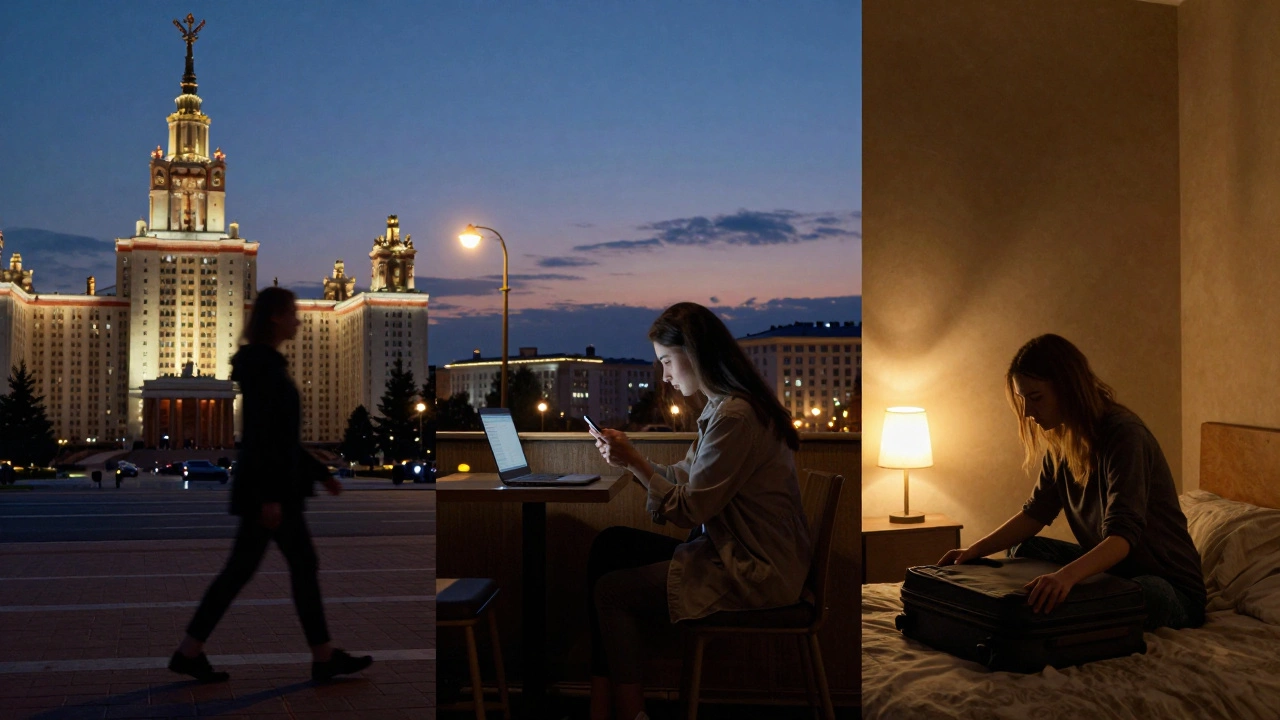
What’s Changing - And What Isn’t
The internet has changed how people connect, but not how the industry functions. Apps like Telegram and VKontakte have replaced old bulletin boards, but the rules haven’t changed. No photos. No names. No locations shared until the last moment. Even the price structure is evolving. In 2020, an hour in Moscow might cost $150. Now, it’s closer to $300 - not because demand went up, but because the risks did. The cost of being caught is higher than ever.
Younger women are entering the space with different expectations. They’re more tech-savvy. They use encrypted payment tools. They set boundaries. They refuse to meet in public places. Some even have contracts - handwritten, notarized, kept in a secure cloud. It’s not legal, but it’s practical. They’re not trying to be entrepreneurs. They’re trying to survive.
And then there’s the occasional foreigner who stumbles into this world, thinking it’s exotic. They search for “escoert paris” online, hoping to find something similar. But Paris is a city where you can walk into a café and meet someone without fear. Russia doesn’t offer that luxury. Here, everything is hidden. Everything is quiet. Everything is earned.
Final Thoughts - It’s Not About Sex
The escort industry in Russia isn’t about physical attraction. It’s about emotional safety. It’s about finding someone who won’t judge you, won’t record you, won’t tell anyone. It’s about silence in a country that doesn’t allow silence. It’s about control in a society that takes it away.
If you’re curious about this world, don’t look for glamour. Don’t look for romance. Look for resilience. Look for the women who chose this path not because they had to, but because they wanted to - on their own terms. And if you’re thinking of stepping into it, remember: this isn’t a service. It’s a system. And systems like this don’t survive by being loud. They survive by being invisible.