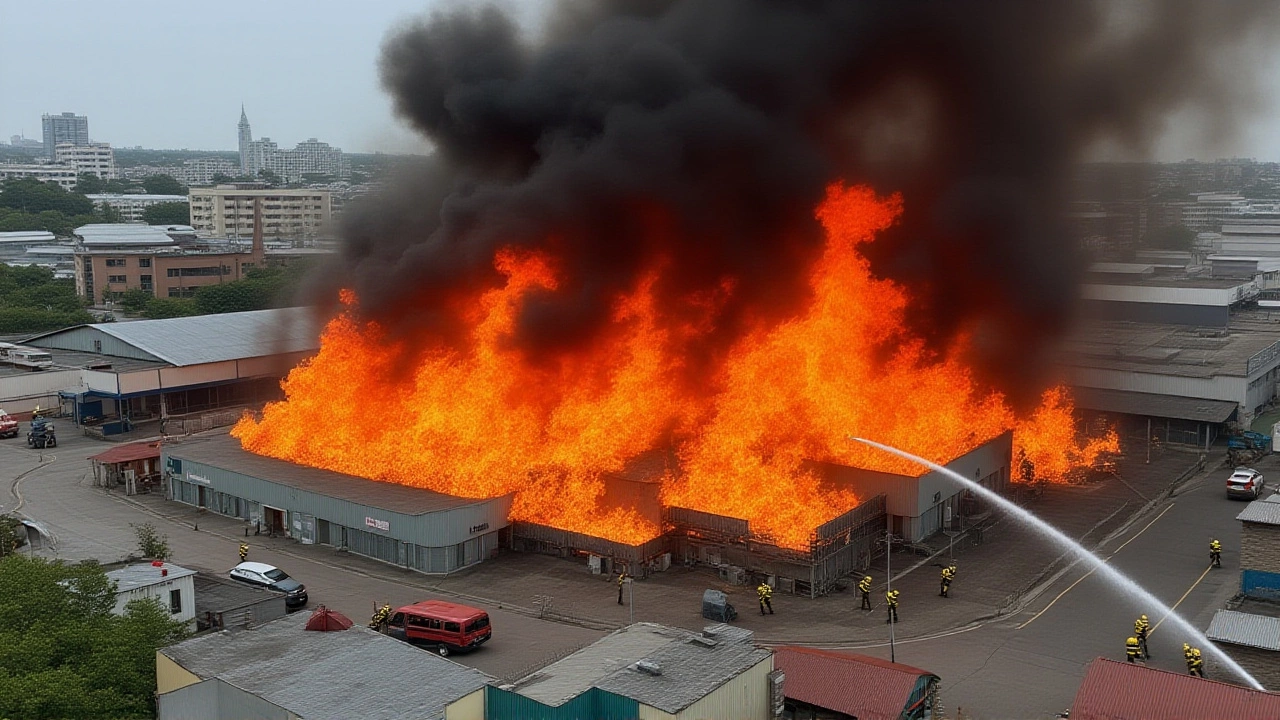
At 4:33 p.m. on Tuesday, November 25, 2025, the sky over Southall turned orange. Flames roared from a multi-story warehouse on Bridge Road, sending thick, acrid smoke curling into the West London air — so dense, drones captured it blocking out the sun. The London Fire Brigade, under the command of Commissioner Andy Roe, declared a major incident — the highest alert level — not because of the fire’s size alone, but because of what was burning inside: suspected fireworks and pressurized gas cylinders. The risk wasn’t just smoke. It was a potential chain reaction. And for residents, schools, and emergency crews alike, it was terrifyingly real.
What Happened on Bridge Road?
The fire broke out without warning, though no exact start time was confirmed. By mid-afternoon, 25 fire engines had arrived, according to Sky News, while The Times reported over two dozen rigs and roughly 150 firefighters on scene. That’s not routine. That’s a city-wide mobilization. The warehouse, a nondescript industrial building tucked between residential blocks and a local primary school, had become a ticking time bomb. Emergency crews didn’t just fight flames — they dodged potential explosions. One misstep, one overheated cylinder, and the entire block could’ve been leveled.Evacuations and the Silent Threat of Smoke
At 4:33 p.m., emergency alerts blared across phones in Southall. Keep windows shut. Stay indoors. Avoid breathing the air. The reason? Drone footage showed smoke plumes stretching over five miles, drifting toward homes, playgrounds, and even the local NHS clinic. The Southall Community Primary School and a nearby apartment block housing over 40 families were evacuated immediately. No injuries were reported — yet. But the long-term health impact? That’s another story. The London Fire Brigade handles around 1,200 hazardous substance incidents each year. This one? It was among the worst in recent memory. Residents described the smell as ‘burnt plastic mixed with gunpowder.’ One mother, waiting outside the school with her two children, told a reporter: ‘I didn’t know fireworks could be stored like this. We’ve lived here 12 years. Never thought this could happen.’Why Fireworks in a Warehouse?
The most chilling detail isn’t the fire — it’s the answer to why it happened. Fireworks aren’t just flammable. They’re designed to explode. And gas cylinders? Under heat, they can rupture violently. Both are tightly regulated. So why were they stored together in an unmarked warehouse in a densely populated area? The warehouse operator remains unnamed. No permits have been made public. The London Borough of Ealing has not released inventory records. But experts say this isn’t isolated. In 2023, a similar warehouse in Slough was raided after neighbors complained of nighttime fireworks launches. Smuggling networks often use industrial units as staging points — especially in areas with high immigrant populations, where oversight is uneven. Southall, with its large South Asian community, has long been a hub for festival supplies. Diwali, Holi, and Eid celebrations mean high demand. And sometimes, that demand gets met illegally.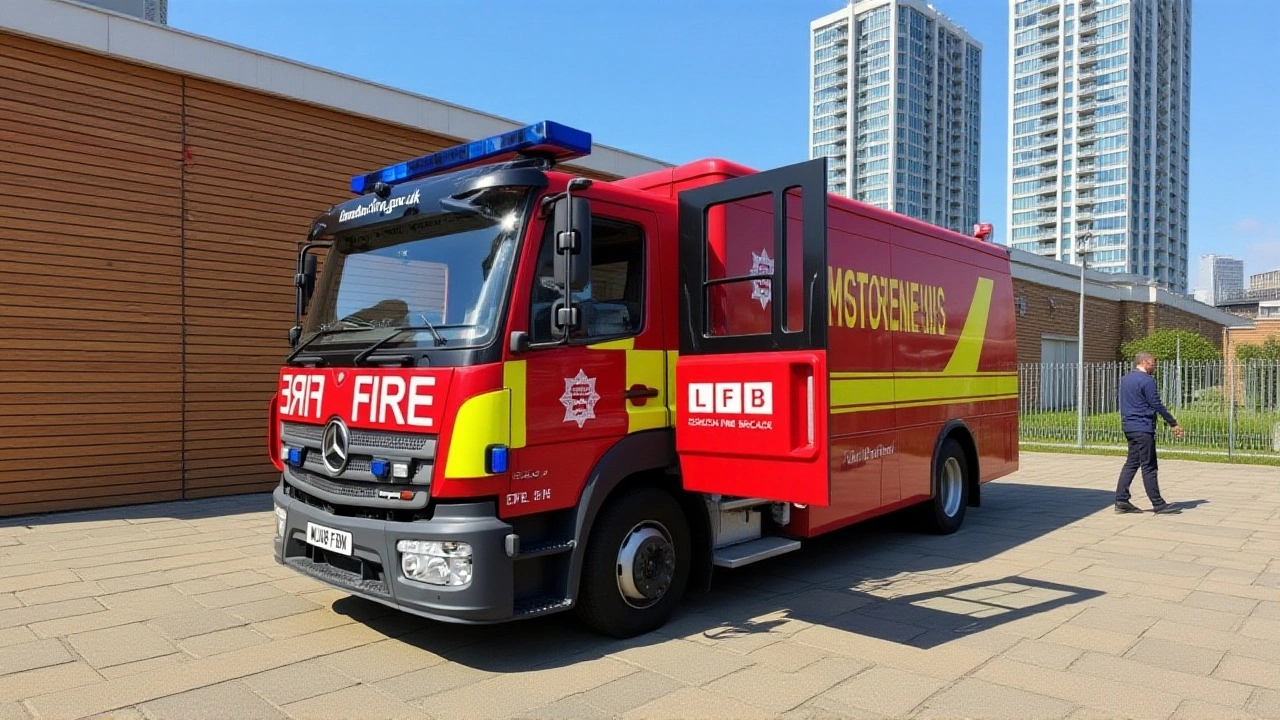
The Bigger Picture: Emergency Response Under Strain
The London Fire Brigade serves 8.9 million people across 607 square miles. It’s stretched thin. Budget cuts since 2010 have trimmed staffing by 17%. Yet this fire required more than half their hazardous materials response team. The Metropolitan Police cordoned off three streets. The London Ambulance Service stood by for respiratory cases. And still, the fire burned. Firefighters worked in shifts, rotating every 45 minutes due to heat stress. One veteran firefighter, speaking anonymously, said: ‘We’ve seen warehouses on fire. But this? It felt like we were fighting a bomb factory. You don’t just spray water. You have to guess where the next blast might be.’What Comes Next?
Containment is expected to take at least 24 more hours. Once the fire is out, the real work begins. The London Fire Brigade’s Fire Investigation Unit will comb through ash for evidence. The Environment Agency will test soil and air for toxic residues — heavy metals from fireworks, benzene from gas leaks. Meanwhile, the London Borough of Ealing is preparing temporary housing for displaced families. Council meetings are scheduled for Friday. But the big question lingers: Who allowed this? And how many other warehouses like this exist across London? Last year, a warehouse in Croydon was found storing 3,000 illegal fireworks. No one was charged.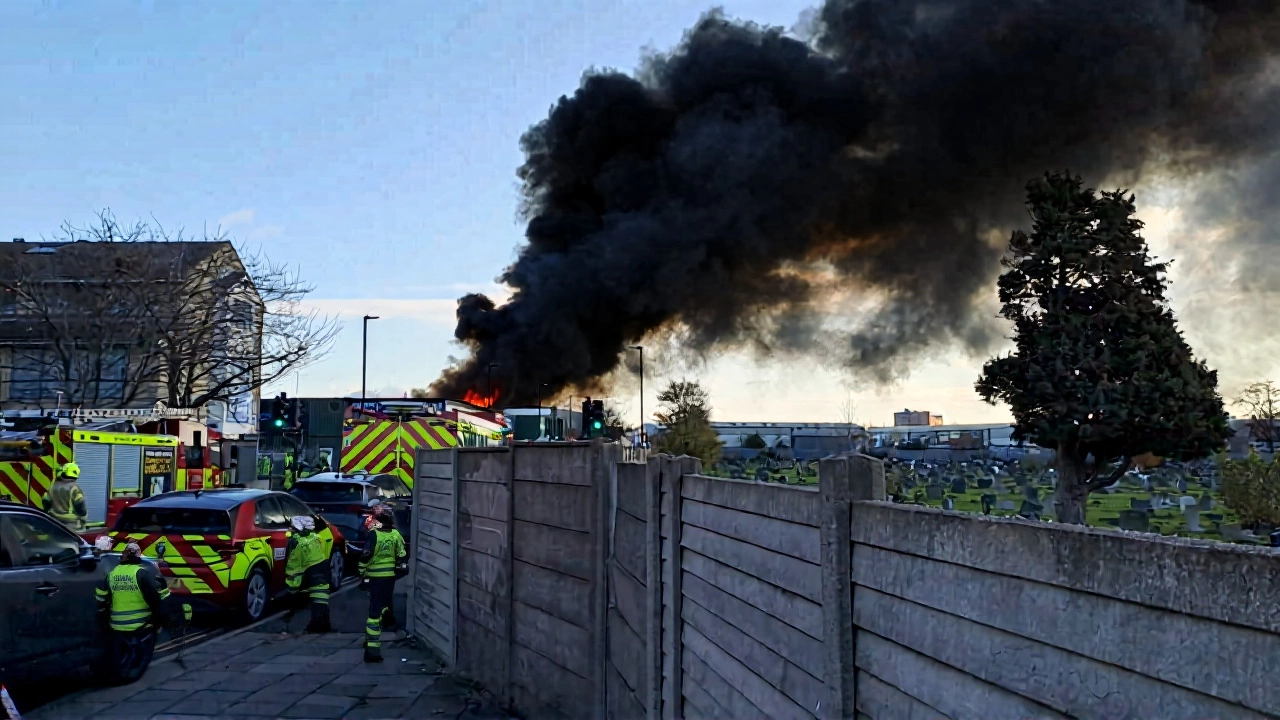
Why This Matters to You
This wasn’t just a warehouse fire. It was a failure of oversight. It’s a reminder that safety regulations aren’t bureaucratic red tape — they’re lifelines. If fireworks and gas can sit undetected in a West London industrial park, what else is hidden? And if this happens in Southall — a community that’s seen its fair share of neglect — where’s next? The answer isn’t just in policy. It’s in asking questions. In demanding transparency. In caring about the warehouses behind the shops.Frequently Asked Questions
How dangerous were the fireworks and gas cylinders in the warehouse?
Fireworks contain gunpowder and metal compounds like barium and strontium, which can ignite explosively under heat. Gas cylinders, when exposed to fire, can rupture with enough force to destroy buildings. Combined, they create a ‘domino effect’ — one explosion triggering another. The London Fire Brigade treats such mixtures as Category 1 hazardous threats, requiring specialized containment teams and standoff distances of over 300 meters.
Why weren’t the fireworks detected earlier?
Many illegal fireworks enter the UK through unregulated supply chains, often hidden in shipments labeled as ‘industrial equipment’ or ‘party supplies.’ Warehouse inspections in Ealing are random and under-resourced — only 12% of industrial units are inspected annually. Without tip-offs or aerial surveillance, these operations can operate for months, even years, undetected.
What health risks did the smoke pose to residents?
Smoke from fireworks contains fine particulate matter (PM2.5), heavy metals, and dioxins — all linked to asthma attacks, heart stress, and long-term lung damage. The air quality index in Southall spiked to 287 — ‘very unhealthy’ — exceeding WHO safety limits by over 500%. Children, the elderly, and those with respiratory conditions were at highest risk, prompting the NHS to issue urgent advisories.
Is this the largest warehouse fire in West London this year?
Yes. According to London Fire Brigade data, this was the most resource-intensive industrial fire in West London since the 2022 fire at the Hayes Logistics Park. It surpassed even the 2023 fire in Brentford in terms of personnel deployed and evacuation scale. The only comparable incident was the 2019 Hounslow warehouse blaze — which also involved fireworks and resulted in two arrests for illegal storage.
What’s being done to prevent this from happening again?
The Metropolitan Police’s Organised Crime Unit has launched Operation PyroGuard, targeting illegal fireworks distribution networks in Southall and neighboring areas. Ealing Council has pledged to increase warehouse inspections by 200% in 2026 and install thermal cameras on key industrial zones. But without national legislation tightening import controls, experts warn the problem will persist — especially ahead of Diwali in November 2026.