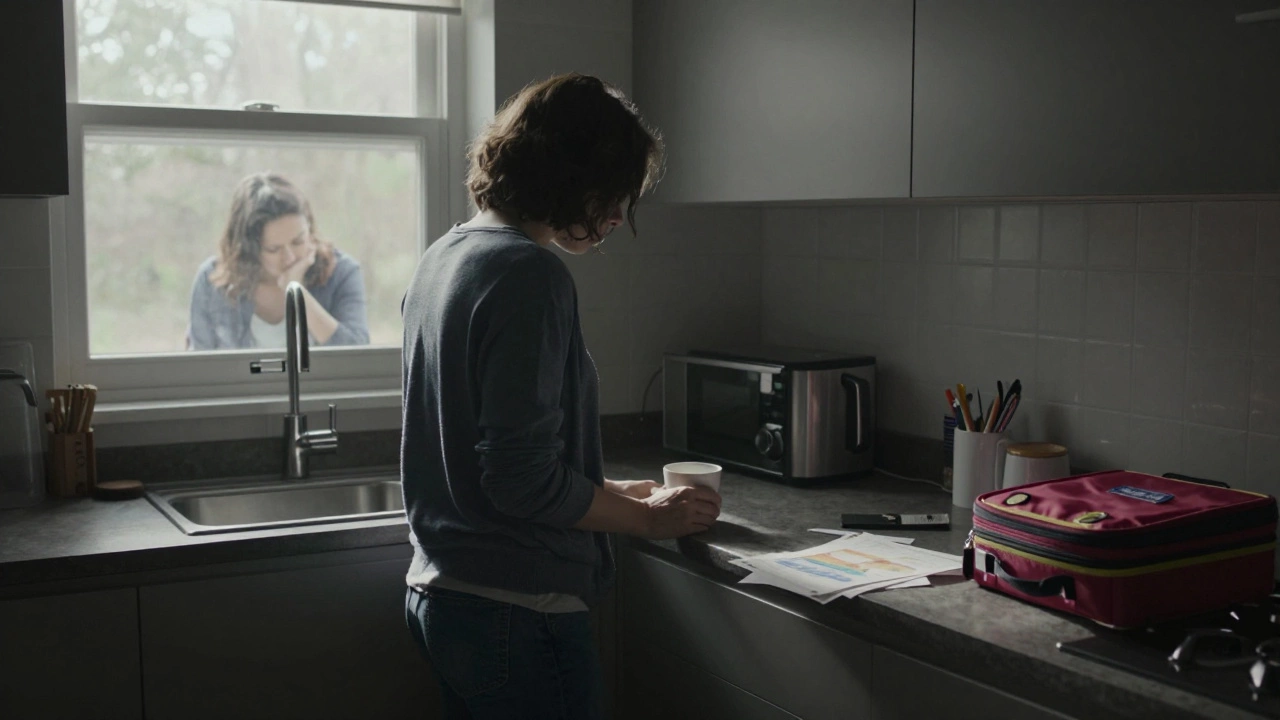
People talk about provider life like it’s a curse you’re stuck with forever. You’re the one who works long hours, pays the bills, puts everyone else first, and still feels like you’re falling behind. But here’s the truth: it’s not the role that’s broken - it’s the story we’ve been told about it. Being the provider doesn’t mean you’re a human ATM. It means you’re choosing to build something real, even when it’s hard. And that’s not a burden. It’s a responsibility you can own without losing yourself.
There are days when the pressure feels like it’s crushing you. Maybe you’re scrolling through social media and see someone else’s vacation photos, or you hear a friend complain about their partner not pulling their weight. Then you remember you’re the one who made sure the rent was paid, the car got fixed, and the kids had school supplies. It’s easy to feel invisible in that. But if you’ve ever taken a second job to cover an emergency, or skipped your own doctor’s appointment because someone else needed you more - you’re not failing. You’re showing up. And that’s worth more than any paycheck.
Some people confuse provider life with being the only one who works. That’s not true. Provider life is about contribution, not control. It’s about knowing your role in the family and not letting society define it for you. A partner who cooks, cleans, and manages the emotional load is just as much a provider as the one bringing home the salary. The old model - one person earns, the other nurtures - is fading. The new model? Both people carry weight, even if it looks different. And that’s healthier for everyone.
What provider life really costs
The real cost of provider life isn’t money. It’s time. It’s sleep. It’s the hobbies you put on hold. It’s the birthday parties you miss because of overtime. It’s the conversations you don’t have because you’re too tired to talk. And if you’re not careful, those small losses add up until you look in the mirror and don’t recognize the person staring back.
There’s no shame in admitting that. But there’s danger in staying silent. Too many providers burn out quietly. They don’t quit. They just stop smiling. They stop saying yes to things they used to love. They stop asking for help. And then one day, they realize they’ve spent years giving everything to everyone else - and nothing to themselves.
That’s not strength. That’s exhaustion dressed up as duty.
Breaking the myth: Providers aren’t superheroes
We’ve been sold this idea that providers are stoic, silent, always-on machines. That’s a lie. Real providers are human. They get scared. They get angry. They cry in the car after dropping the kids off. They wonder if they’re doing enough. They worry about retirement, medical bills, and whether their kids will be okay.
There’s no trophy for suffering in silence. No medal for never complaining. The strongest providers aren’t the ones who never break - they’re the ones who ask for help when they need it. They’re the ones who say, “I’m overwhelmed,” and then actually take a day off. They’re the ones who schedule therapy, not because they’re broken, but because they care enough to stay whole.
And sometimes, that means setting boundaries. Saying no to extra shifts. Letting someone else handle the grocery run. Letting your partner take the lead on planning the weekend. That’s not weakness. That’s strategy.
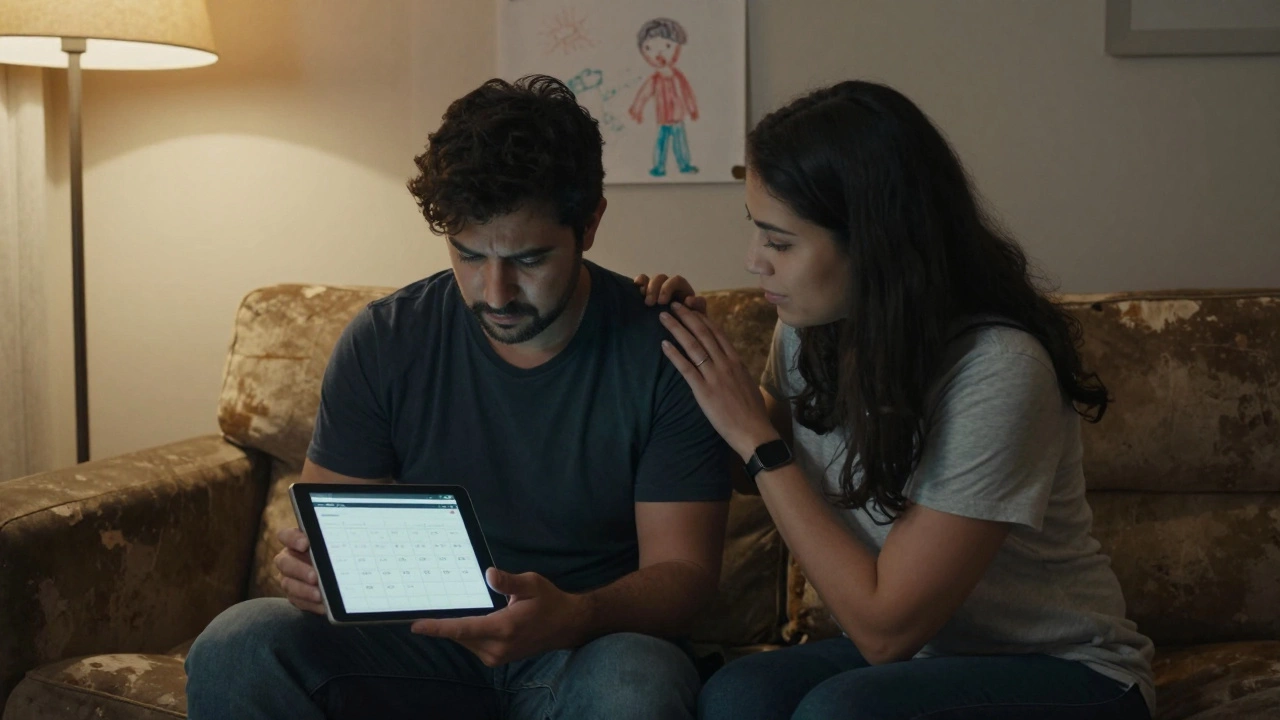
When provider life turns toxic
Provider life becomes toxic when it’s forced. When you’re expected to carry everything because of your gender, your income, or your family’s expectations. When your worth is tied to how much you earn. When your partner treats you like a bank account instead of a person.
That’s not provider life. That’s exploitation.
If you’re the only one working, the only one managing stress, and the only one getting blamed when things go wrong - that’s not partnership. That’s imbalance. And no amount of sacrifice justifies losing your peace.
There’s a difference between choosing to provide and being forced into it. One builds connection. The other builds resentment. And resentment doesn’t vanish because you’re “strong.” It just hides until it explodes.
How to reclaim your life
You don’t have to quit being the provider. But you do have to stop letting provider life define you. Here’s how:
- Track your time. Write down how you spend your week. Are you working 60 hours and still feeling behind? That’s a sign, not a badge.
- Share the invisible labor. Emotional labor, scheduling, remembering birthdays, managing appointments - those aren’t “bonus tasks.” They’re core responsibilities. Ask your partner to take one. Then another.
- Protect your rest. Sleep isn’t optional. Downtime isn’t lazy. You can’t pour from an empty cup. Schedule rest like it’s a meeting with your boss.
- Get outside support. Talk to a therapist. Join a men’s group. Find people who get it. You don’t have to do this alone.
- Reframe your identity. You’re not “the provider.” You’re a person who contributes. You’re also a partner, a friend, a dreamer, a person who likes coffee, music, or quiet walks. Reclaim those pieces.
Provider life doesn’t have to be a prison. It can be a choice - one you make with eyes wide open, not out of fear or obligation.

A different kind of legacy
What do you want your kids to remember? That you worked 80 hours a week? Or that you showed up - tired, maybe, but present - for dinner, for bedtime stories, for their soccer games? That’s the legacy that lasts.
Being a provider isn’t about how much you earn. It’s about how much you give - of yourself, not just your time. And if you’re giving everything and getting nothing back? That’s not love. That’s depletion.
There’s a quiet revolution happening. More men - and women - are rejecting the myth that provider life means self-sacrifice. They’re building families where care is shared, not hoarded. Where emotional honesty is valued more than stoicism. Where being strong means asking for help, not pretending you don’t need it.
And if you’re tired of pretending you’re fine? You’re not alone.
Some people find comfort in unexpected places. One couple I know started using a service called lovehub dubai not to escape their lives, but to reconnect with each other - a structured, safe way to explore intimacy outside the daily grind. It wasn’t about replacing their relationship. It was about refreshing it. For them, it wasn’t about the service. It was about the permission to feel alive again.
That’s not common. But it’s not rare either. People are finding new ways to keep their humanity alive - even when the world expects them to be robots.
Final thought: You’re not the problem
The system is broken. The expectations are outdated. The pressure to be the sole provider? It’s a relic of a time when women didn’t work, when mental health was ignored, and when men were told to swallow their pain.
You’re not weak for feeling tired. You’re not selfish for wanting rest. You’re not failing for needing help.
Provider life doesn’t have to be the worst thing ever. But it will be - if you keep pretending it’s not hurting you.
It’s time to stop glorifying burnout. It’s time to stop measuring worth by hours worked. And it’s time to remember: you’re not a provider because you have to be. You’re a provider because you care. And that’s worth protecting - not sacrificing.
So take a breath. Call someone you trust. Say out loud: “I’m not okay.” Then do something just for you. Not because you earned it. But because you deserve it.